 HackerTube.runGood videos, with context.
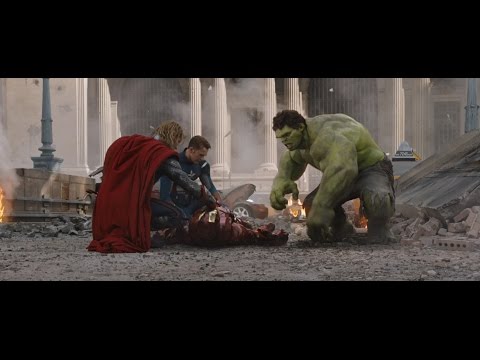
The Marvel Symphonic Universe
About this video
An Every Frame a Painting video essay asking why Marvel films lack memorable musical themes. It blames temp tracks and directors scoring to filler music.
Why it appears in the archive
HN recommends it as an insightful explanation of why modern film scores sound alike, with lessons beyond Marvel.
AI-generated summary and labels from the source dataset; verify important details against the video. Source & credits.
From the Hacker News discussion
The YouTube channel Every Frame a Painting has an excellent video about music in films. Why are some scores so memorable while others are easily forgotten? The Marvel Symphonic Universe (2016): [VIDEO] You don't have to have seen any Marvel movies, the insights are universal. (Also worth watching the follow-up video: Hollywood Scores & Soundtracks: What Do They Sound Like? [LINK] )
Read original comment ↗There was this video which showed film directors doing something similar. They film their scene with “filler” music previously used in some other film. Then they hand the scene to the music director and ask a score for it, which forces the director to make something very similar to the filler music. It then makes all film music sound similar. This was only possible due to the “productivity boost” of digital editing pipelines, which allowed directors to edit immediately after filming. [VIDEO] from 5:50 on but the whole video is a masterpiece.
Read original comment ↗In that vein, I recommend this video about the Marvel Universe music and the general use of "temp music". It touches a lot of the points you mention: [VIDEO]
Read original comment ↗Temp music and the idea that music shouldn’t be noticeable in a film. Every Frame a Painting has a great video essay on this - [VIDEO]
Read original comment ↗That's more due to how movie scores are produced these days. Every Frame A Painting explains it really well in this video on why you can't remember any music from Marvel movies: [VIDEO] (well, up until they made that video, at least)
Read original comment ↗This statement might be more poignant than you think, there's an interesting video here comparing Marvel with Star Wars and James Bond in terms of how memorable any of the music is, because it's almost all cookie cutter: [VIDEO] I think all the points here have value, I've definitely played some really good games recently including some that were mentioned above, but I definitely think there's a general risk averseness because AAA game studios are too big to experiment so a lot of games are rehashed sequels or incremental "improvements" (as in the movie industry or whatever's in the music charts). I'd put some of the blame of this on the outcome bias, things are judged on whether the outcome was favourable (e.g. profit) not whether it was the right decision (e.g. let's try something different with novelty, but riskier). As Julia Galef covers in one of her podcasts (will have to find the link), the exec that tries something risky might get a promotion if it succeeds and get sacked if it doesn't as opposed to getting promoted from suggesting something novel regardless of whether it worked. See also "No one ever got fired for choosing IBM". How many films that get critical reception now, got poor/indifferent reviews initially because they were just too experimental/novel for the time, e.g. Original Blade Runner. What will people think in 10, 20, 50 years about Marvel films.
Read original comment ↗It's not purely the sampling that's doing it to Hollywood: In some fashion, it's the heavily-derisked blockbuster formula to blame, and technology comes along for the ride. Tony Zhou's Every Frame A Painting [0] offered a take on how the tendency is to work very closely to a temp track and then ask for something identical, which of course can only get you increasingly similar sounds. Dan Golding responded to this by adding some nuance, noting that temp tracks have always been in use, so the answer has to be a little more complicated, and he points back to the technology. [1] I would say that the technology is just a piece of the puzzle; you can order in a different type of sound and get it, whether or not you're using a computer-heavy approach. That's aptly demonstrated by the variety seen in indie games, for example. This is a problem that movies have made for themselves by being focused on fitting everything to a formula. The occasional film does slip through that has a great score that draws on something bigger than other films(for one example: Scott Pilgrim vs the World). [0] [VIDEO] [1] [LINK]
Read original comment ↗The YouTube channel Every Frame a Painting talked about the usage of temp music in movies on one of its video, titled Marvel Symphonic Universe: [VIDEO]
Read original comment ↗