 HackerTube.runGood videos, with context.
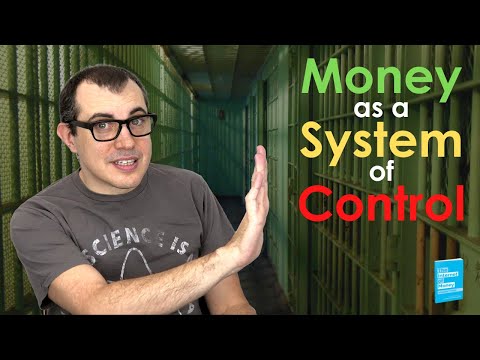
Cryptocurrency Explained: Money as a System-of-Control
About this video
Andreas Antonopoulos argues that money has a fourth function beyond store of value, medium of exchange and unit of account, which is as a system of control. He covers the history of money and why it does not flow freely.
Why it appears in the archive
Cited in discussions of cryptocurrency, KYC/AML and financial surveillance as a framing of money as a tool of control.
AI-generated summary and labels from the source dataset; verify important details against the video. Source & credits.
From the Hacker News discussion
All money is dirty. Most people don't question the provenance of their money, but every bill in your wallet contains trace amounts of cocaine. Every dollar you have has been involved in some sort of grey or black market transaction. Your money has also been used to fund an enormous amount of legally sanctioned atrocities around the world. You're not a bad person for accepting it. The money itself is amoral. When people talk about cracking down on "tainted dollars", they're really talking about power. In 1970, Richard Nixon signed the Bank Secrecy Act and turned money into a system of control, the system of control that attempts to use money as a political tool in order to control who is able to send and receive it, who they are able to send money to, and to have complete surveillance of all financial transactions. Your money isn't really yours if an authoritarian leader can dictate how you can spend it or seize it at any time. Andreas Antonopoulos is a good person to listen to on this topic. [VIDEO]
Read original comment ↗"But what happens when a fourth use of money is introduced, one which subordinates all the other characteristics: money as a system of control?" [VIDEO]
Read original comment ↗> is this heavy on marketing, cheerleading and kool-aid? I haven't looked at the book, but the author is, a bit. Here's a somewhat banana-pants talk he recently gave. [VIDEO]
Read original comment ↗