 HackerTube.runGood videos, with context.
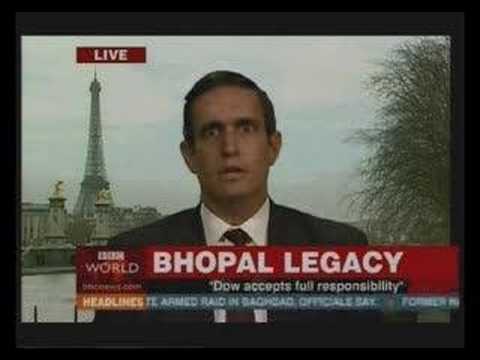
Bhopal Disaster - BBC - The Yes Men
About this video
A clip of the Yes Men posing as a Dow Chemical spokesman on the BBC and announcing compensation for victims of the Bhopal disaster, a hoax on live television.
Why it appears in the archive
HN cites it as a favorite example of a famous prank or trolling stunt that fooled a major broadcaster.
AI-generated summary and labels from the source dataset; verify important details against the video. Source & credits.
From the Hacker News discussion
Haha. For something equally funny, but more serious (in a way, although making fun of Lenin at the time is nothing to sneeze at), have a look at the work of "the Yes Men": [LINK] Perhaps my favourite: [VIDEO] "Bhopal Disaster - BBC - The Yes Men" - where they tricked media, including the BBC, into believing they were Dow Chemical spokespersons, and that Dow would take responsibility for the Bhopal chemical disaster, after Dow bought Union Carbide. [ed: some context: [LINK] ]
Read original comment ↗Spoofing emails? How about pranking a BBC interviewer? [VIDEO] or impersonating the U.S. Chamber of Commerce? [LINK]
Read original comment ↗Would you consider, as I would, the Yes Men's activities as both trolling and more or less good? [VIDEO]
Read original comment ↗Tangentially related, the Yes Men went on the BBC pretending to be representatives of Dow, taking full responsibility for the disaster, and temporarily wiping $2bn off the market cap. The man in the video, Jacques Servin, was fired from Maxis after adding an easter egg to SimCopter where groups of shirtless men appeared kissing each other on certain dates. [VIDEO] [LINK]
Read original comment ↗> An exception to normally bad behavior, and the first instance of a genuine change in approach, look identical. No, they probably don't. Take for example this example prank by the Yes Men : > [VIDEO] The beauty of the prank was that the company then had to send a real spokesperson out to explicitly state that "Steve, yes," was the wrong answer to the question, "Do you now accept responsibility for what happened?" In fact I'll boldly claim you have never seen a genuine change in approach from a company of this size that wasn't forced by a settlement with the government or criminal prosecution(s). Edit: I'll go ahead and admit I'd love to read about the exceptions to my last paragraph, but only in terms of companies the size of Google.
Read original comment ↗