 HackerTube.runGood videos, with context.
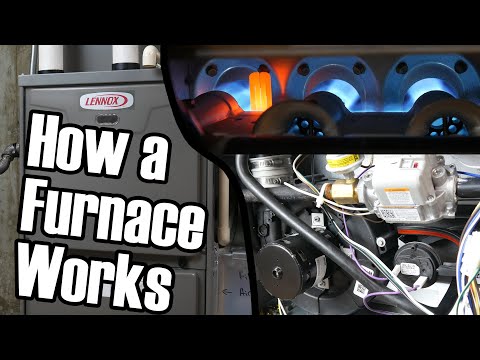
Forced-air Furnaces: The What, Why, and How
About this video
Technology Connections explains what forced-air furnaces are, how they work and why they need electricity. He covers combustion, airflow and the parts of a modern furnace.
Why it appears in the archive
HN people point to it as the full explanation of how gas furnaces work, mostly in threads on heating, power outages and gas appliances.
AI-generated summary and labels from the source dataset; verify important details against the video. Source & credits.
From the Hacker News discussion
For a full on description of how a good portion of furnaces, tech connections made a video not long ago: [VIDEO]
Read original comment ↗Yes, they do need need electricity. Source: I live in Ontario, Canada, and am currently being kept warm by one. Most (gas) furnaces are forced air, and how exactly would the fan run without electricity? How do you think the thermostat runs its thermistor (and probably LCD display) without a power? The Technology Connections YT channel has a recent good overview, "Forced-air Furnaces: The What, Why, and How": * [VIDEO] As for efficiency, you can get units that are 99% efficient (AFUE): * [LINK] * [LINK]
Read original comment ↗Tech connections has what you're looking for: [VIDEO] Efficiency wise, the comparison between a heat pump and a furnace depends on the outside temperature. Heat pumps lose their efficiency for high ∆T, so for winter in a Russia, a furnace is likely the better option
Read original comment ↗Modern gas furnaces use the outside atmosphere for combustion. It helps get them high (for gas) efficiency levels! [VIDEO]
Read original comment ↗> It's not supposed to be sealed, it's just supposed to have draft. It depends on the model. High (>90%) efficiency, condensing furnaces are completely sealed off from the house: they take in air from the outside (via PVC pipe), combust, extract the heat, and exhaust the results (via PVC pipes). * [VIDEO] Older lower efficiency (<85-90%) furnaces suck in air from the house, exhaust into metal pipes (PVC would melt because not as much heat is extracted from the fumes), can be back-drafted and you have to worry about CO. Basically: if the furnace has vents in which you can see a pilot light, it's the older style.
Read original comment ↗Technology Connections did a video (because of course he did) on how gas furnaces work. The short of it is that the flame is contained inside of metal tubes and never mixes with indoor air. No exhaust gases can leak into the breathable air. [VIDEO]
Read original comment ↗