 HackerTube.runGood videos, with context.
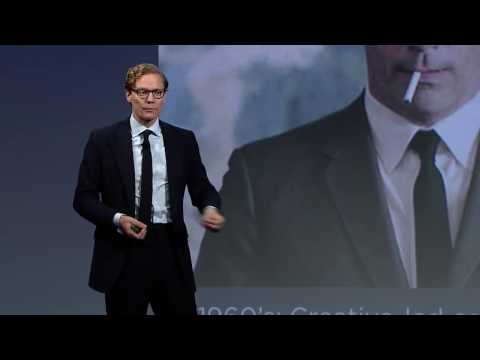
The Power of Big Data and Psychographics | 2016 Concordia Annual Summit
About this video
Alexander Nix of Cambridge Analytica presents at the 2016 Concordia Summit on using big data, psychographic profiling and behavioral microtargeting in elections.
Why it appears in the archive
HN points to it as the company's own pitch, used in debates about data-driven manipulation and extrapolated to today's AI.
AI-generated summary and labels from the source dataset; verify important details against the video. Source & credits.
From the Hacker News discussion
I urge everyone to watch this video from Cambridge Analytica about their techniques with big data and psychographic profiling leading up to the 2016 election. Very dystopian, it almost feels like a seminar with a Bond villain. Quote from the video: > "we were able to form a model to predict the personality of every single adult in the United States of America." [VIDEO] Edit: also this article is a good read about how they used Facebook likes to build up profiles. Also contains a summary of the video: [LINK]
Read original comment ↗If you feel like the article is too long, you can watch this 11 minutes presentation: [VIDEO] . It summarizes their methodology. I took the presentation link from the article.
Read original comment ↗The article [1] and video [2] below shed some light on the "how". The video is mentioned directly in the article. The text explains how highly sophisticated targeting was deployed by the Trump campaign, and how it differed from Clinton's campaign. Highly informative. [1] [LINK] [2] [VIDEO]
Read original comment ↗> Ultimately, the bigger problem is that even in crowds like HN's, no one seems to have a good idea of what should be done about governments abusing datascience so efficiently. The general-populace/crowd/mob has already lost this game. Govts/Companies (all of them irrespective of ethics/democracy/etc.) are doing what they want with data and datascience. The populace is easily propagandized/distracted from reality and can be easily cocooned. The only recourse left for the individual is to learn and start playing the game himself. Fortunately the new tools are a great help in this asymmetric warfare. Organizations like EFF/OpenSource/GNU/etc. need to take the lead on this since most people are like sheep when it comes to uses/misuses of technology. Palantir is just "Cambridge Analytica" redux but with more money/connections/data/breadth/depth/etc. Watch this old presentation by their then ceo Alexander Nix and extrapolate to today's AI world - [VIDEO] Finally go and read the works of George Orwell, Edward Bernays, Jacques Ellul, Marshall Mcluhan, Noam Chomsky etc. on the whole subject of Propaganda/Manipulation to really understand where we are now.
Read original comment ↗Palantir is just "Cambridge Analytica" redux but with more money/connections/data/breadth/depth/etc. Their ethical/moral stance i will leave it to you to infer. Watch these old presentations by CA's then ceo Alexander Nix and extrapolate to today's AI world - [VIDEO] and [LINK] (note the Q/A at the end here) Also watch this interview with Christopher Wylie the CA whistleblower and again extrapolate to today's AI world - [LINK] Be afraid, Be very afraid.
Read original comment ↗> This is completely different. Cambridge Analytica deliberately lied and deceived users about the intention of the application they created to harvest information about users: Yes, but lots of apps are deceptive about what they do with data. > Cambridge Analytica is also in the business of using manipulation and psychological techniques to convince users of an outcome. And this isn't something I'm making up, the CEO of Cambridge Analytica peddles this as the potential of his platform: [VIDEO] That's called advertising. Obama's campaign did the same thing (and so did every other modern political campaign). > The most damning aspect is his naked promotion of misinformation under the newspeak of "Behavioral Communication" where he suggests comparing the effectiveness of using "Private Beach" vs "Sharks Sighted" as a deterrent. That one is actually somewhat significant, although it's not clear that lying is exactly a novelty in politics.
Read original comment ↗Psychographic data (personalities and traits beyond simple demographics) has long been known and used before Facebook ever existed, it's just much easier now that so many people are feeding data to a centralized system with easy access. CA's CEO is seen presenting this clearly in 2016, specifically how well it helped the Cruz campaign: [VIDEO] Worldview Standard has a podcast called RawData where ep 1 of season 1 in 2015 talked about how a few likes on Facebook would let you know someone better than their own family, based on research from 2013: [LINK] Obama's campaign used heavy data analytics for both runs, explained as early as 2012: [LINK] None of this is new. It was only either ignored or accepted before and has finally reached critical mass due to the amount of controversy and conspiracy today, along with the generally expected fatigue of social media and the now evident effects it makes on most people's lives.
Read original comment ↗This is completely different. Cambridge Analytica deliberately lied and deceived users about the intention of the application they created to harvest information about users: > Like all app developers, Kogan requested and gained access to information from people after they chose to download his app. His app, “thisisyourdigitallife,” offered a personality prediction, and billed itself on Facebook as “a research app used by psychologists.” [0] Cambridge Analytica is also in the business of using manipulation and psychological techniques to convince users of an outcome. And this isn't something I'm making up, the CEO of Cambridge Analytica peddles this as the potential of his platform: [VIDEO] The most damning aspect is his naked promotion of misinformation under the newspeak of "Behavioral Communication" where he suggests comparing the effectiveness of using "Private Beach" vs "Sharks Sighted" as a deterrent.[1] He also continued to revel in his company's ability to manipulate after the election.[2] [0]: [LINK] [1]: [VIDEO] [2]: [LINK]
Read original comment ↗