 HackerTube.runGood videos, with context.
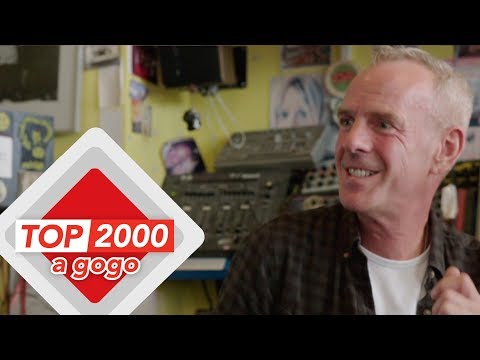
Fatboy Slim - The Rockafeller Skank | Het verhaal achter het nummer
About this video
A Dutch Top 2000 a gogo segment in which Norman Cook (Fatboy Slim) explains how The Rockafeller Skank is built, in his studio. The studio shows a long-running Atari ST setup.
Why it appears in the archive
HN links it mostly for the glimpse of Cook's studio and his decades-old Atari ST, and as an example of a sample-based track.
AI-generated summary and labels from the source dataset; verify important details against the video. Source & credits.
From the Hacker News discussion
> It seems those old Macs may still be in service in niche applications, most notably in audio processing chains at radio stations or recording studios. Highly recommend looking at the tour of fat-boy slims recording studio for an example of this kind of airgapped system in active use for decades: [VIDEO] (Though he uses an Atari ST, which is known for being a musical powerhouse)
Read original comment ↗Not just any old musician, here's Norman Cook (Fatboy Slim) in his studio in 2018: Still with Atari ST switched on, connected to the gear, and loading in old floppies of "The Rockerfeller Skank" from the 90s: [VIDEO] YouTube commentor says "it's like a living museum that should be kept alive" ... agree!
Read original comment ↗Maybe now, but when Kid A was recorded hardware was a little more limited. So you'd spend a lot more time hunting for what sounded like good samples than you would ingest everything and see what sounded good. These days it's pretty trivial to do the digital equivalent of "jamming with your band mates" when it comes to sampling but in the 90s you had to develop an ear for it because the process of capturing a sample through to cuing it in your tracker was longer and a lot more painful than what we take for granted now. And you often had to create all of your own samples, there weren't web sites you could download these things from like there are today. Even percussion needed to be sampled if you weren't lucky enough to own a drum machine. One of the reasons I got into circuit bending in the latter end of my exploration in music was because I craved that instantaneousness with electronic music that I had when jamming with my guitar. As for Kanye, I don't pretend to be an authority on his music but the few tracks of his I have heard haven't exactly been imaginative when it comes to sampling. He has taken tracks that were already good, taken the main riff from them and looped that. So I'd argue the creativity in his music is the lyrical content rather than his use of samples. Whereas you compare him to Daft Punk, Fatboy Slim or Prodigy and you can see that lyrical content is less important but the sampling is really creative, to the extent that the samples they've used are often
Read original comment ↗> In hip hop it was most certainly taken from the vinyl, as samplers with the required storage were still quite pricy at the time Hardware samplers were. But a lot of home studios had an Atari ST or Amiga. Plus regardless of the hardware used, those samples would have to be stored somewhere (even on hardware samplers) to be able to playback in the first place. I mean how else are you going to sequence it, save it when you're done and recall it again after? A lot of hardware from that era, and especially the Atari ST and Amiga, would have floppy drives and it was pretty common for people to share a sample disks. I've posted this before but here is a video of Norman Cook showing off his Atari ST: [VIDEO]
Read original comment ↗> Right, yeah, that's why I said _copyrightable_ samples.. e.g. sampling a sound from just about anywhere and slotting it into a tracker or drum machine is probably fine. I was talking about copyrighted samples. eg Fatboy Slim - Rockafella Skank: [VIDEO] Daft Punk: [LINK] Prodigy: [LINK] ...and these are just 3 headline artists. Sampling was common place in the underground scene too. eg The Amen break is a percussion loop that basically invented Jungle and early Drum and Bass, and that was a copyrighted loop too: [LINK] > I do agree the waters get muddy once it's multiple seconds long.. IANAL but there's the famous vanilla ice lawsuit, and I think there was some fair use wiggle room if it's under some amount of time (forgot the exact limit), it is fine to use. Fair use doesn't cover sampling. Artists need to clear any samples used. If a sample is used creatively enough then there is a chance it might sound different enough that it goes unnoticed with anyone accosiated with the original artists estate. But that's a calculated risk the sampling artist chooses to take rather than their automatic right under copyright law. > Good point about the DJ mixtape thing. I am guessing a lot of composers/producers got the raw end of that deal, but you are right, it helped a lot for promotion and growing the scene Producers (nobody calls those kinds of artists "composers") didn't get the raw end because it wouldn't have affected their sales; if anything, it helped promote them). Bare in mi
Read original comment ↗