Understand a condition without diagnosing from a video
Mental health & neurodiversity videos
Mental-health videos can supply language for an unfamiliar experience, but historical lectures cannot determine a viewer’s diagnosis or treatment. These starting points address depression and ADHD as separate subjects with different audiences.
Two conditions, two reasons to watch
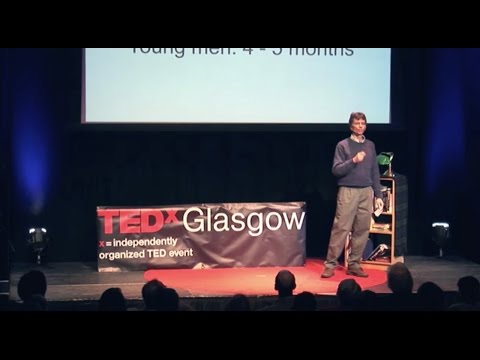
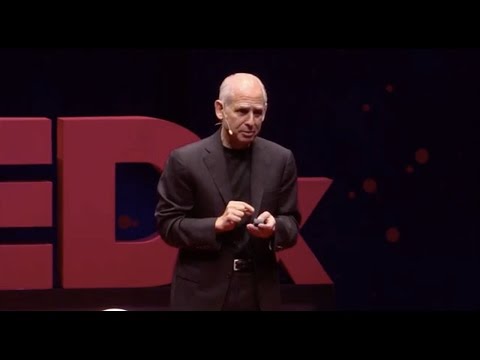
Sapolsky’s Stanford lecture offers a historical educational account of depression; its uploader now links to an updated lecture. Barkley’s talk is addressed to parents of children with ADHD, rather than to every person seeking an explanation for distraction. Choose the subject relevant to your question and compare the lecture with the current public-health references below. A recognizable symptom or persuasive biological explanation is not enough to establish a diagnosis, severity or an appropriate intervention.
Choose the Stanford depression lecture for historical explanatory context. Follow its source-page update notice and the current NIMH reference before relying on clinical details.
Choose Barkley’s parent-oriented ADHD lecture for its intended family audience. This upload is not an independent confirmation of every claim or a substitute for assessment.
Who is the lecture addressing, and does that age group or setting match the question you brought to it?
Which information concerns recognizing a condition, and which concerns assessment or treatment that requires current clinical guidance?
These are educational recordings, not diagnostic tools or individualized care. Do not start, stop or change medication on their basis; seek qualified local care for assessment or urgent concerns.
Further reference
NIMH: Depression — Public-health information and links to current symptoms, treatment and support resources, separate from the historical lecture.
NIMH: ADHD — A public-health overview explaining the difference between occasional behaviors and persistent difficulties across settings.
By HackerTube Run. Updated . We compared source-video titles, available uploader descriptions and the linked archive records. The choice of starting points and viewing questions is our editorial guidance. These notes do not claim full-video viewing or independent expert review.
The complete list below preserves the October 31, 2026 snapshot and its original score order. Its labels and summaries include AI-generated source material; topic membership is broader than our selected starting points. Availability and factual claims can change. Suggest a correction.
All 46 videos in this archive topic
Browse the full snapshot after choosing your starting point.
 HackerTube.runGood videos, with context.