 HackerTube.runGood videos, with context.
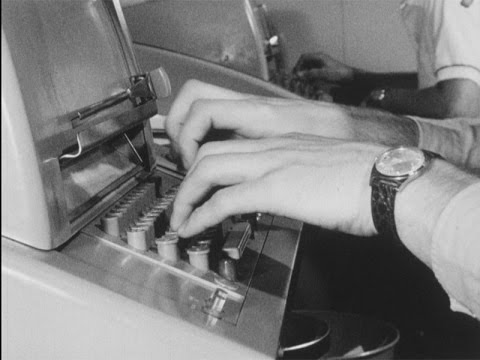
Birth of BASIC
About this video
A Dartmouth-produced documentary on how professors John Kemeny and Tom Kurtz, with a group of undergraduates, invented the BASIC language. It covers the creation of BASIC and the early time-sharing environment at Dartmouth.
Why it appears in the archive
HN recommends it as the definitive documentary on BASIC's origins, and it resurfaces whenever BASIC or Kurtz comes up.
AI-generated summary and labels from the source dataset; verify important details against the video. Source & credits.
From the Hacker News discussion
I interviewed Tom Kurtz in 2017. He was so generous, and as brilliant as you'd expect. He wrote me a memo on "Grammatical Simplifications in BASIC." He loved memos--was an academic mathematician at heart, even at 89! It was his idea to make computing accessible--he (modestly) credits Kemeny with all the other ideas about BASIC and the Dartmouth Time-Sharing System (DTSS). I wrote about the interview here: [LINK] . The Birth of BASIC documentary that Dartmouth did for the 50th anniversary is excellent and features him prominently: [VIDEO]
Read original comment ↗I enjoy messing around in the Owlet browser-based BBC BASIC editor. 8-bit graphics still has a place in modern web design ;) [LINK] Related doc on youtube: "Birth of BASIC" [VIDEO]
Read original comment ↗There's a really good documentary on the creation of BASIC at Dartmouth (made by Dartmouth): [VIDEO] If you don't want to watch the documentary, we did a shorter podcast episode about it: [LINK]
Read original comment ↗For some reason it took me years to understand the need for a line editor. It didn't make any sense in my head. Then one day I saw the famous picture of Bill and Allen as kids in front of a teletype [1] and it finally clicked. The way it worked was like this: As you keyed in your program, letter by letter, it was printed out on the paper immediately like a typewriter. If you ran the program and there was a problem, you'd just read (or re-read) the printout, find the line with the bug, then use a line editor to fix just that line. You might mark the paper with pencil to keep track of the change. After a while if you needed to see the latest version, you'd just print the whole program out, or just the lines you needed. This realization finally clued me into what was going on when I was 10yo and programming BASIC on a TRS-80 Color Computer. It was essentially simulating a teletype (which makes sense given BASIC's inception at Dartmouth [2]), where you would type each line individually, then if there was a problem, you would edit the program individual lines at a time. I always thought it was an odd until I understood how actually using a teletype actually worked. Also explains why the command to write letters to the screen is called "PRINT". 1. [LINK] 2. [VIDEO]
Read original comment ↗